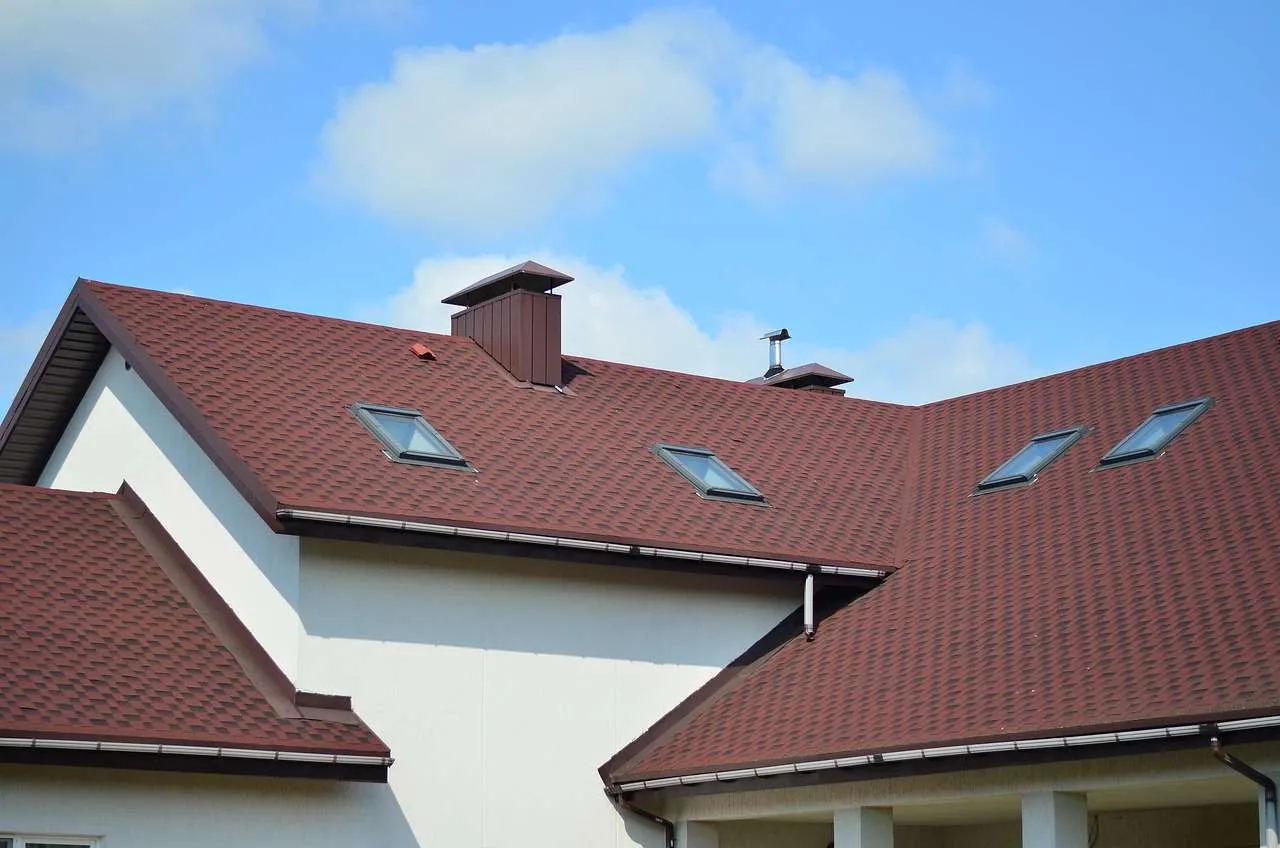
Repair of roofing is a essential service that protects homes from water damage and energy loss. A reliable roof keeps occupants safe, reduces energy bills, and preserves the home's value. This guide explains how to spot common issues, what to expect from a professional repair, and how to maintain a roof to extend its life. Whether you're facing a sudden leak or planning preventive maintenance, understanding the repair of roofing helps homeowners make informed decisions and avoid costly mistakes.
Understanding the Repair of Roofing
The term repair of roofing covers minor fixes, patching, flashing repair, shingle replacement, and temporary measures to stop leaks. Not all problems require a full roof replacement; many leaks originate from localized damage that a skilled tradesperson can address with targeted repairs. A qualified roofer will inspect from the attic to the roof surface, identify the source, and propose a solution that matches the roof type and local climate.
Common Roofing Problems
- Missing, cracked, or curling shingles
- Damaged flashing around chimneys or vents
- Leaks near roof penetrations and valleys
- Worn underlayment or rotten decking
- Granule loss and damaged gutters that affect drainage
DIY vs Professional Repair
Some minor maintenance tasks, like clearing debris or resealing flashings, can be done by confident homeowners with proper safety gear. However, working on a roof carries fall risks and exposure to hazardous materials. Most repair of roofing tasks—especially those involving structural decking, brittle materials, or extensive leaks—should be performed by licensed professionals who carry liability and workers’ compensation insurance. Professional repair also ensures proper flashing, membrane integrity, and warranty eligibility.
The Repair Process
Professional roofers begin with a thorough inspection, often inside the attic to locate hidden leaks. Then they document the damage and propose methods such as:
- Temporary tarping to stop active leaks
- Patching shallow leaks with compatible materials
- Repairing or replacing flashing and underlayment
- Shingle or tile patching and resealing fasteners
- Addressing structural rot if detected
After completing the repair, the contractor should provide a written summary, warranty details, and care instructions to prevent recurrence.
Costs and Timing
Costs vary by roof type, extent of damage, and regional labor rates. Minor repairs such as patching a small leak or resealing flashing may range from a few hundred dollars, while more extensive repairs that involve replacing sections of decking, multiple penetrations, or damaged underlayment can run into the low thousands. Roof material, slope, and accessibility influence both price and duration. A reputable contractor will offer a clear estimate, a defined scope of work, and a reasonable timeline.
Choosing a Roofing Contractor
To ensure EEAT, select a contractor with proven experience, proper licensing and insurance, and transparent communication. Verify references, examine recent project photos, and request a written inspection report. Ensure the contractor uses quality materials compatible with your roof type and climate, and ask about warranties on both labor and materials. A trustworthy roofer will also provide a post repair inspection and guidance on preventive maintenance.
Maintenance Tips to Extend Roof Life
- Inspect after major storms for damage or loss of granules
- Keep gutters clear to prevent water backup and wood rot
- Trim overhanging branches to reduce impact and debris
- Ensure roof ventilation to minimize condensation and ice damming
- Schedule annual professional inspections, especially for older roofs
Repair vs Replacement: A Quick Comparison
| Aspect | Repair | Replacement |
|---|---|---|
| Lifespan | Extends life of damaged area; not a full roof overhaul | Provides new warranty and longer overall life |
| Cost | Typically lower upfront cost; varies by scope | Higher upfront, but may be economical if multiple problems exist |
| Disruption | Shorter duration and less mess | Longer project with more disposal |
| Material options | Limited to compatible patch or flashing | Full range of shingles/tiles and underlayment |
| When to choose | Localized leaks or minor damage | Widespread damage, advanced age, costly recurring leaks |
Choosing between repair and replacement depends on the extent of damage, roof age, and long-term goals for protection and energy efficiency. A professional assessment is essential to determine the best course of action.
Conclusion, this guide highlights that timely inspection, professional patching, proper flashing, and ongoing maintenance protect your home, save money, and extend roof life. When in doubt, hire a licensed roofer for an accurate assessment, clear estimates, and reliable warranties.