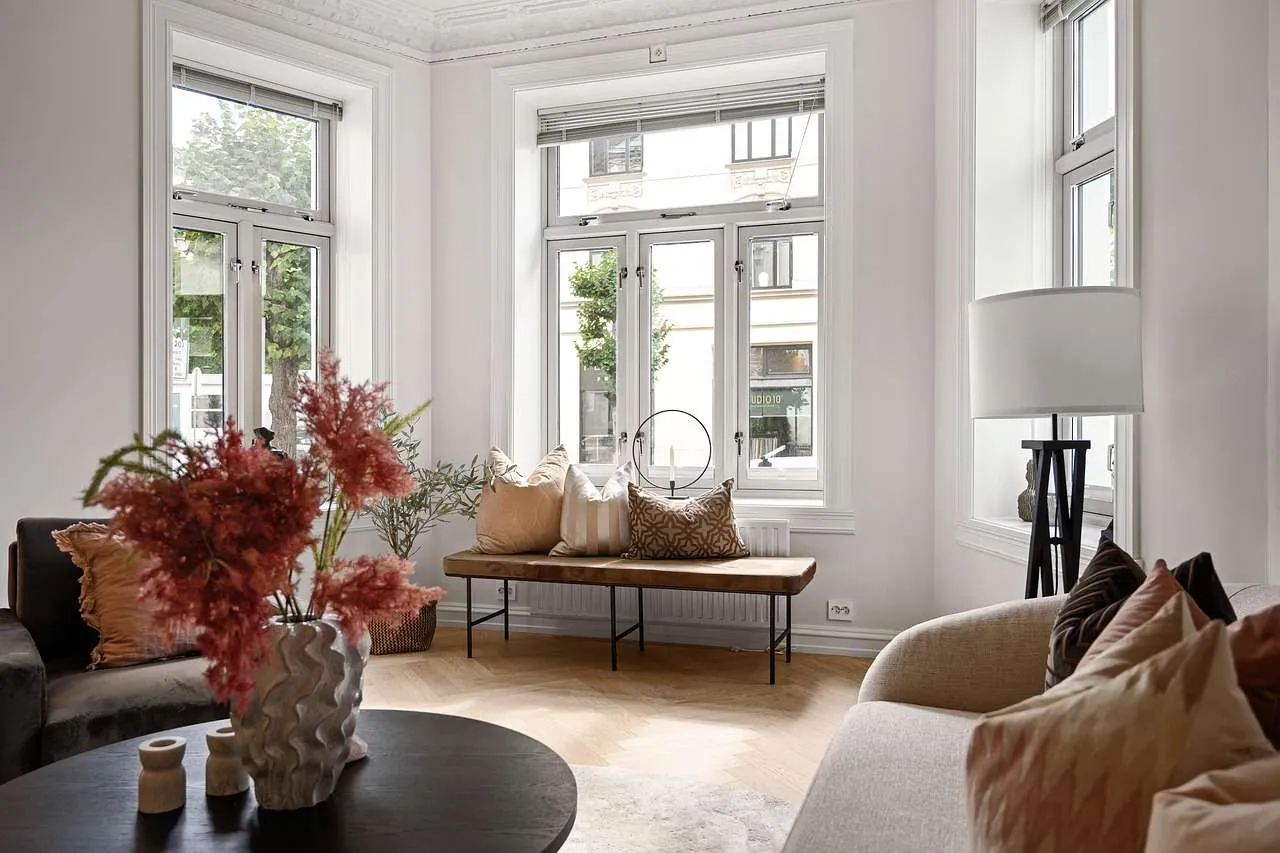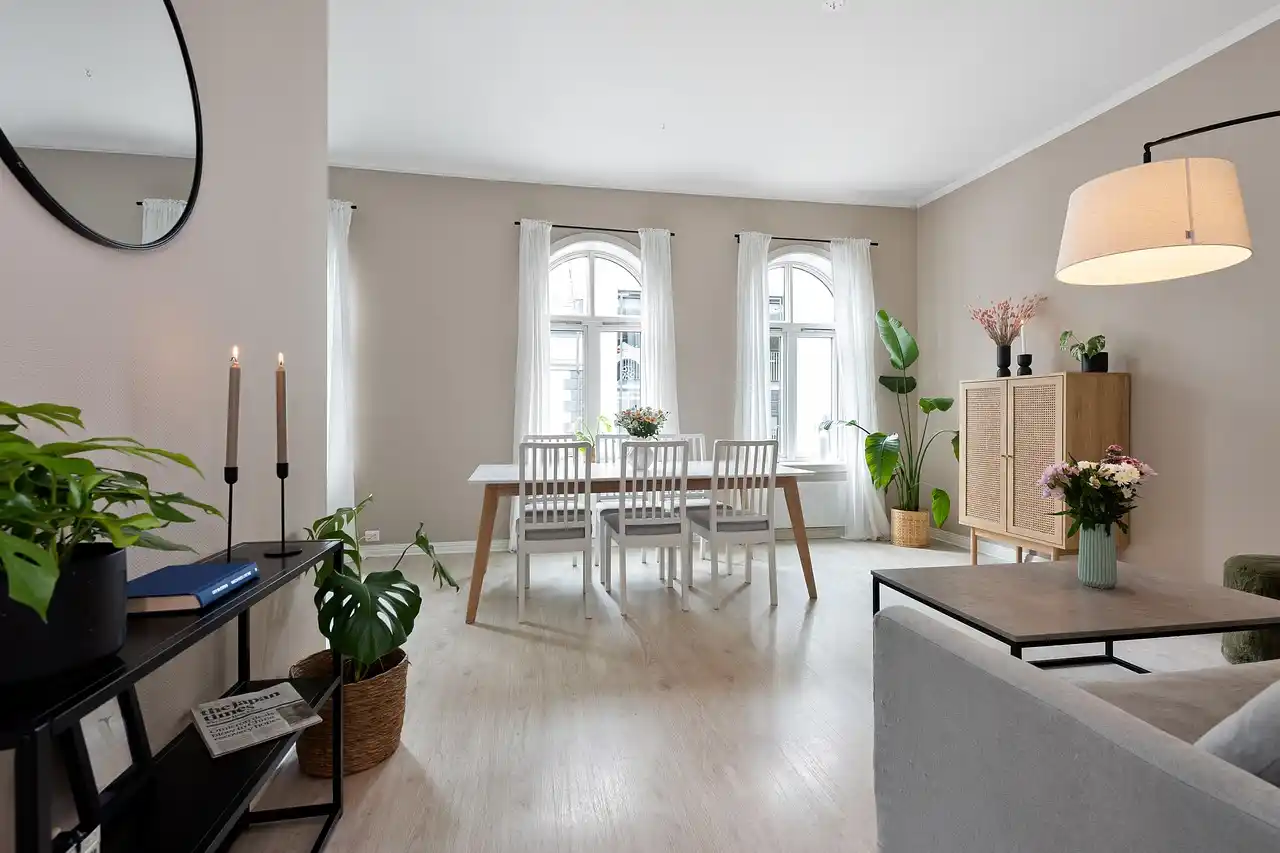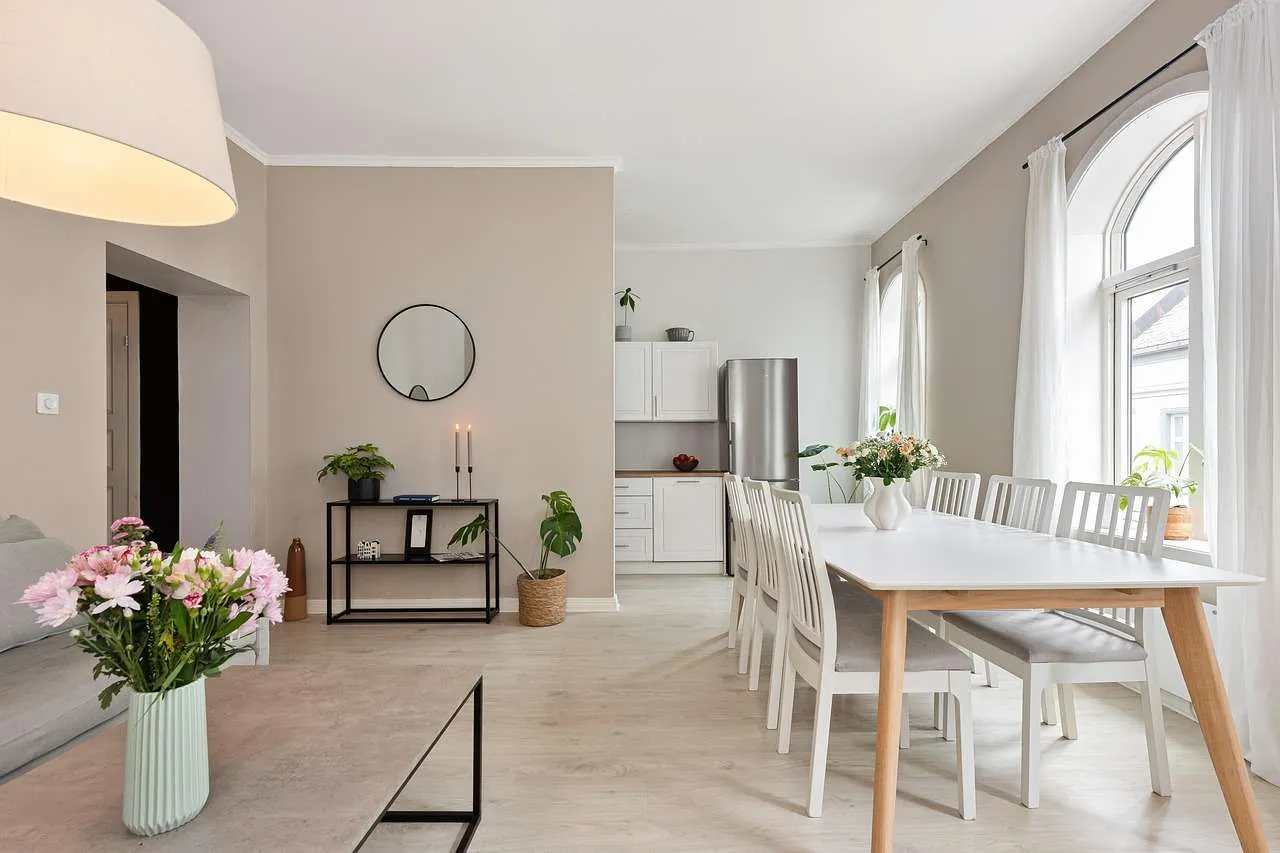
Window tint for home is a versatile upgrade that can transform comfort, energy use, and style. By applying a tinted film to interior windows, homeowners can reduce heat gain, block UV rays, and add privacy without sacrificing natural light. This guide helps you understand options, benefits, and practical steps to choose the right film for your climate and home design.
Understanding window tint for home
Window tint for home uses thin films applied to interior or exterior glass. Films come in several constructions — dyed, ceramic, metalized, carbon, and hybrid options — each with distinct performance, aesthetics, and installation considerations.
Dyed film
Dyed films are budget-friendly and provide a tinted appearance that improves privacy. They offer basic glare reduction but are less effective at heat rejection over time and can fade in strong sun.
Ceramic film
Ceramic films deliver excellent heat rejection and UV protection without interfering with electronics. They tend to be more expensive but offer superior long-term performance and clarity.
Metalized or hybrid film
Metalized films reflect infrared light to cut heat, which can reduce cooling loads. They may, in rare cases, interfere with certain sensors or devices and can show a metallic sheen.
Carbon or non-reflective options
Carbon films provide a non-reflective, sophisticated look with strong heat reduction and durability, without the metallic glare of metalized options.
Benefits of window tint for home
Key advantages include energy efficiency, UV protection, glare reduction, privacy, and enhanced interior comfort. By blocking infrared heat, tint can lower cooling loads in hot climates and protect furnishings from sun damage, reducing fading and wear on fabrics and wood.
Choosing the right tint for your home
Climatic conditions, sun exposure, window orientation, and interior goals should guide your choice. In sunny regions, higher total solar energy rejection TSER and UV protection provide the greatest benefits. For homes with large glass doors or expansive windows, a mid-range light transmission (VLT) around 20–40% often balances daylight with privacy. Always check local codes and HOA guidelines for allowable VLT and appearance standards.
Orientation and window type
South- and west-facing windows typically require stronger heat rejection. Double-pane or triple-pane windows behave differently, so consult with a professional to match film to glazing configuration.
Professional installation vs DIY
Professional installation ensures clean edges, bubble-free results, and warranty coverage. DIY kits exist but require careful surface preparation, moisture management, and a steady hand. Improper installations can lead to peeling, wrinkling, or reduced performance.
Cost, ROI, and maintenance
Window tint for home costs vary by film type, tint shade, window size, and labor. Expect roughly 5–15 per square foot for professional installation, with premium films at the higher end. ROI stems from energy savings, furniture protection, and improved comfort, often paying back within a few years depending on climate and usage.
Tint type comparison
| Type | Pros | Cons | Typical VLT | Typical Cost |
|---|---|---|---|---|
| Dyed | Low cost, privacy | Lower heat rejection, potential fading | 15–25% | 2–6 per sq ft |
| Ceramic | Excellent heat rejection, UV protection | Higher cost | 30–60% | 6–12 per sq ft |
| Metalized | Good heat control, reflectivity | Possible device interference | 25–60% | 4–10 per sq ft |
| Carbon | Non-reflective, durable | Moderate cost | 20–50% | 5–10 per sq ft |
Conclusion
Conclusion, Window tint for home can reduce energy use, protect interiors, improve comfort, and add privacy when chosen and installed correctly. By understanding tint types, climate considerations, and working with qualified installers, homeowners can maximize ROI while maintaining aesthetics and compliance.